About 1 in 4 Australian adults have low vitamin D, and iron deficiency is common in women. Who is at risk, symptoms, food sources and how to supplement sensibly.
About 1 in 4 Australian adults have low vitamin D, and iron deficiency is common in women. Who is at risk, symptoms, food sources and how to supplement sensibly.
It surprises many people that a country with so much sunshine has so much low vitamin D. Iron deficiency is also common, especially in women. Both are worth understanding.
The Australian Health Survey found about 23% of adults were vitamin D deficient, with rates much higher in winter in the southern states.
Who’s at higher risk: people who work indoors or cover most of their skin, people with darker skin, older adults (especially in residential care), people with obesity, and breastfed babies of mothers with low vitamin D.
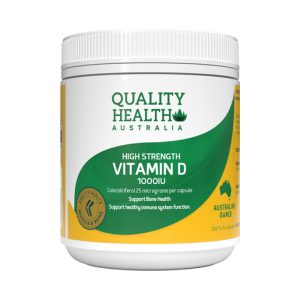
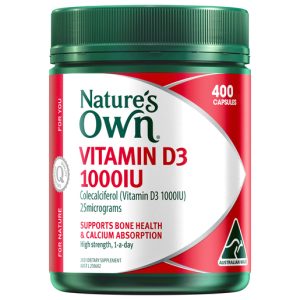
Getting enough: in summer, most people get enough from incidental sun exposure while still following sun protection advice. Food sources are limited (oily fish, eggs, fortified foods), so a supplement may be recommended if you are low. Ask your GP whether you need testing.
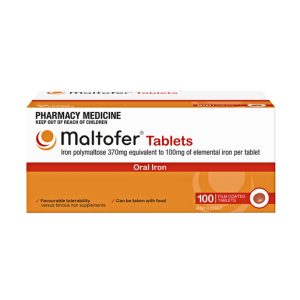
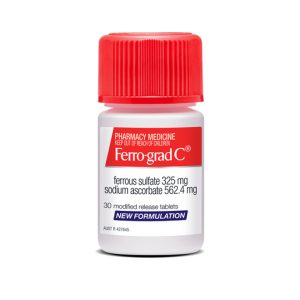
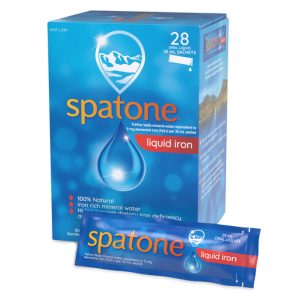
Iron is needed to make red blood cells that carry oxygen. Low iron, with or without anaemia, is common in menstruating women (especially with heavy periods), pregnant women, teenagers, frequent blood donors, endurance athletes and people eating mostly plant-based diets.
Symptoms can include tiredness, breathlessness on exertion, pale skin, poor concentration, brittle nails and hair shedding.
Please note: This article is general information only. It may not be accurate, complete or up to date for your situation, and it is not a substitute for professional medical advice. Always read the label and follow the directions for use. Speak with your pharmacist, doctor or other health professional before starting a new medicine or supplement, especially if you are pregnant, breastfeeding, managing a health condition or taking other medicines. If symptoms persist, see your doctor. Product suggestions are examples from our range, not personalised recommendations.
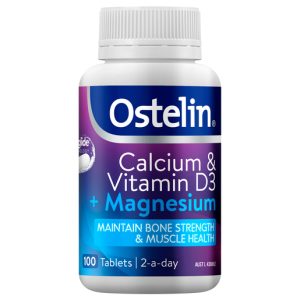
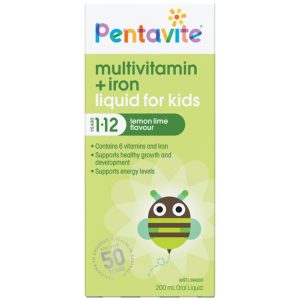
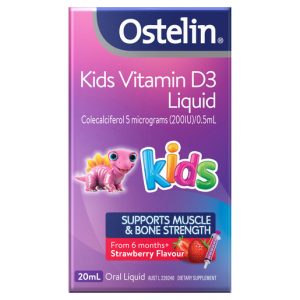
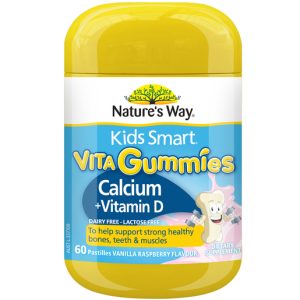
Shop the article
In-stock examples from our range. Always read the label and follow the directions for use.
Keep reading