Creatine has gone mainstream. We look at the evidence for strength, healthy ageing and brain health, how to take it and who should check first.
Creatine has gone mainstream. We look at the evidence for strength, healthy ageing and brain health, how to take it and who should check first.
Creatine used to sit quietly on bodybuilding shelves. Now it is one of the most talked-about supplements on social media, with claims about brain fog, menopause and longevity. What’s real?
Creatine is a natural compound made in the body and found in meat and fish. It helps muscles recycle energy during short, intense efforts such as lifting weights or sprinting.
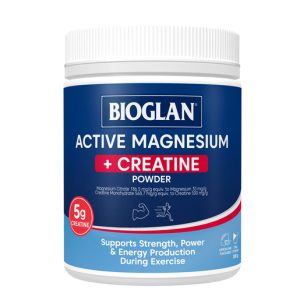
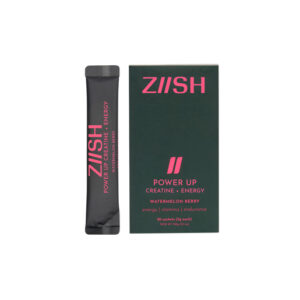
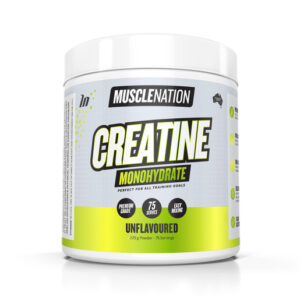
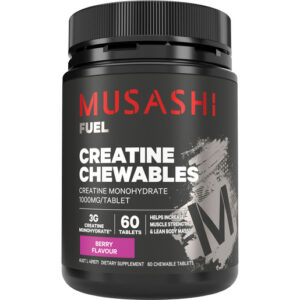
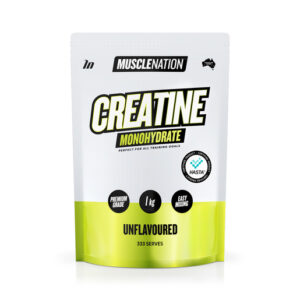
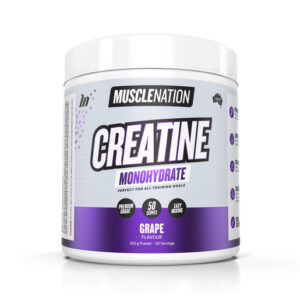
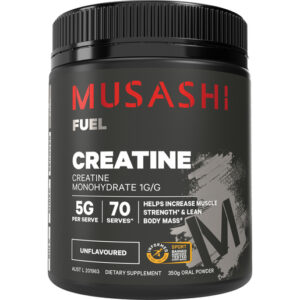
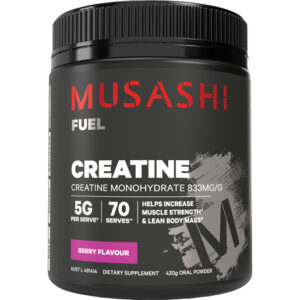
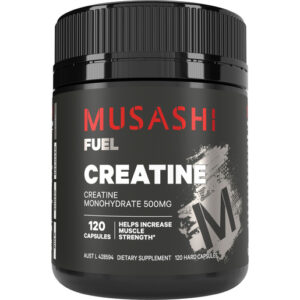
Most studies use creatine monohydrate at 3 to 5 g a day. A “loading phase” isn’t essential. It just reaches saturation faster. It can be mixed into water, a smoothie or a protein shake, and timing matters less than taking it consistently.
Please note: This article is general information only. It may not be accurate, complete or up to date for your situation, and it is not a substitute for professional medical advice. Always read the label and follow the directions for use. Speak with your pharmacist, doctor or other health professional before starting a new medicine or supplement, especially if you are pregnant, breastfeeding, managing a health condition or taking other medicines. If symptoms persist, see your doctor. Product suggestions are examples from our range, not personalised recommendations.
Shop the article
In-stock examples from our range. Always read the label and follow the directions for use.