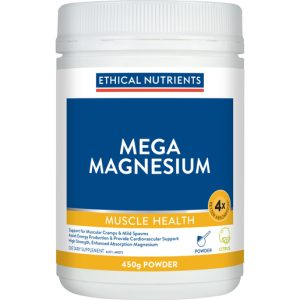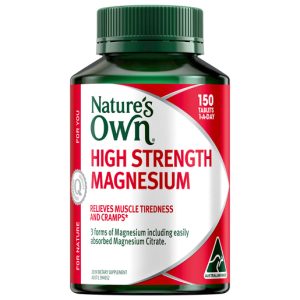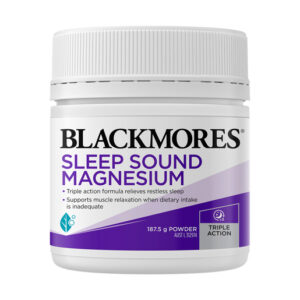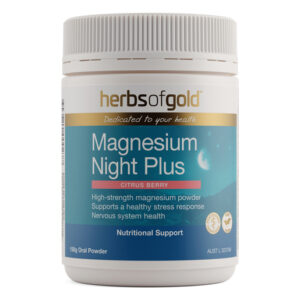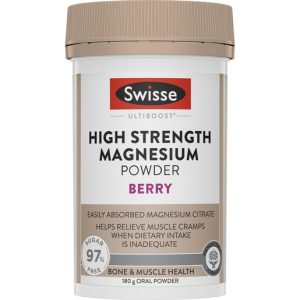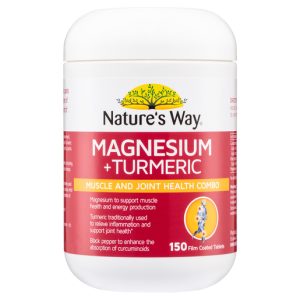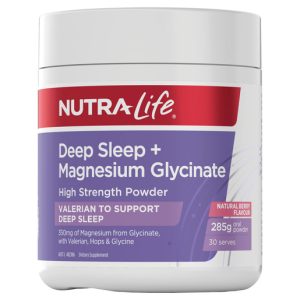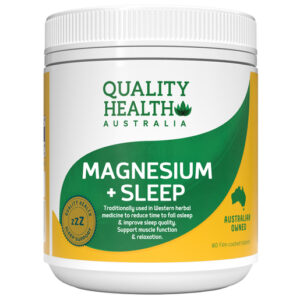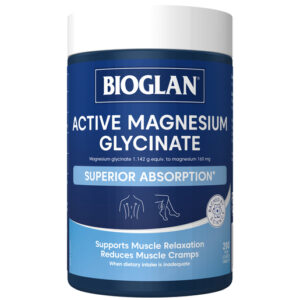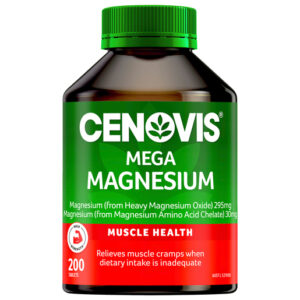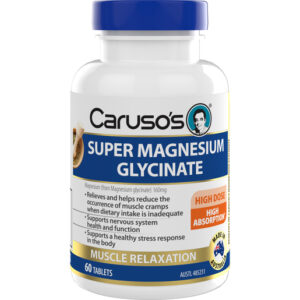
Magnesium is one of Australia’s most popular supplements. Here is what it does, the different forms, how much you need and who should check with a pharmacist first.
Magnesium is one of Australia’s most popular supplements. Here is what it does, the different forms, how much you need and who should check with a pharmacist first.
Magnesium supplements have exploded in popularity, often marketed for sleep, cramps and stress. Here is a balanced look at what we know.
Australian Nutrient Reference Values suggest about 400 to 420 mg a day for men and 310 to 320 mg a day for women. Good food sources include leafy greens, nuts, seeds, legumes, wholegrains, dark chocolate and avocado. Many people can meet their needs through food.
Evidence for magnesium improving sleep or preventing leg cramps is mixed. It may help people whose intake is low, while others notice little difference. Good sleep habits and hydration remain important.
The most common is diarrhoea or stomach upset. Taking magnesium with food, or switching to a gentler form, often helps.
Please note: This article is general information only. It may not be accurate, complete or up to date for your situation, and it is not a substitute for professional medical advice. Always read the label and follow the directions for use. Speak with your pharmacist, doctor or other health professional before starting a new medicine or supplement, especially if you are pregnant, breastfeeding, managing a health condition or taking other medicines. If symptoms persist, see your doctor. Product suggestions are examples from our range, not personalised recommendations.
Shop the article
In-stock examples from our range. Always read the label and follow the directions for use.