Perth summers regularly top 40 degrees. How much to drink, when electrolytes help, and the warning signs of heat illness everyone should know.
Perth summers regularly top 40 degrees. How much to drink, when electrolytes help, and the warning signs of heat illness everyone should know.
Heatwaves cause more deaths in Australia than any other natural hazard. The good news is that most heat illness is preventable with a bit of planning, especially for babies, older people, people with chronic conditions and anyone working or exercising outdoors.
There is no single number that suits everyone. Needs depend on your body size, activity and the weather. As a guide, the Australian dietary guidelines suggest around 2.1 litres of fluid a day for women and 2.6 litres for men, with more in hot weather or when active. Water is the best choice. Check with your doctor first if you have been told to limit fluids for a heart or kidney condition.
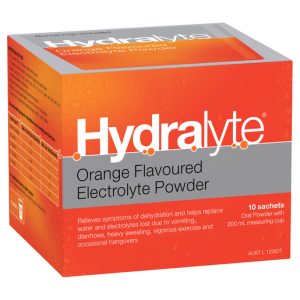
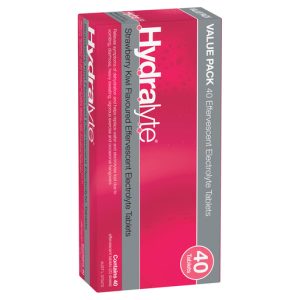
For most people on a hot day, water plus normal meals is enough. Electrolytes become useful when you are losing a lot of fluid and salts, for example:
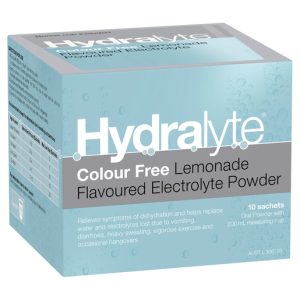
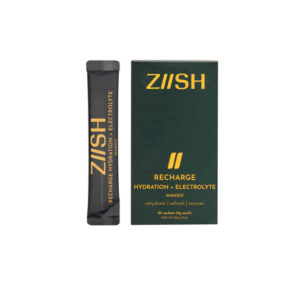
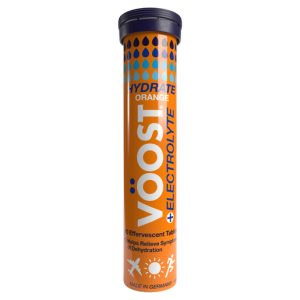
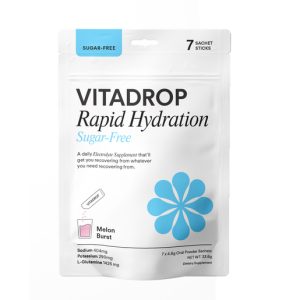
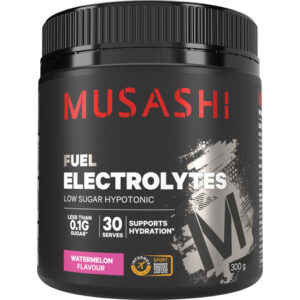
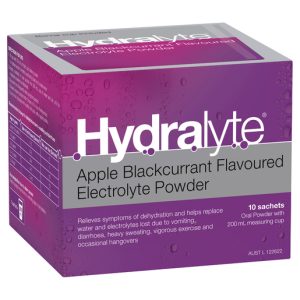
Oral rehydration solutions are formulated with a specific balance of glucose and salts. Sports drinks and fizzy drinks are not the same and can contain much more sugar.
Move to a cool place, lie down, remove extra clothing, sip cool water and use cool, wet cloths. Seek medical help if symptoms worsen or don’t improve within an hour.
Confusion, slurred speech, a very high body temperature, hot dry skin, collapse or seizures can signal heatstroke. Call triple zero (000) and start cooling the person while you wait.
Please note: This article is general information only. It may not be accurate, complete or up to date for your situation, and it is not a substitute for professional medical advice. Always read the label and follow the directions for use. Speak with your pharmacist, doctor or other health professional before starting a new medicine or supplement, especially if you are pregnant, breastfeeding, managing a health condition or taking other medicines. If symptoms persist, see your doctor. Product suggestions are examples from our range, not personalised recommendations.
Shop the article
In-stock examples from our range. Always read the label and follow the directions for use.
Keep reading