Road trip down south or a flight to Bali? A pharmacist-built packing list, plus tips on medicines, vaccines and staying well on the move.

Road trip down south or a flight to Bali? A pharmacist-built packing list, plus tips on medicines, vaccines and staying well on the move.
Holiday season is the worst time to be hunting for a pharmacy. Ten minutes of packing now can save a lot of hassle.
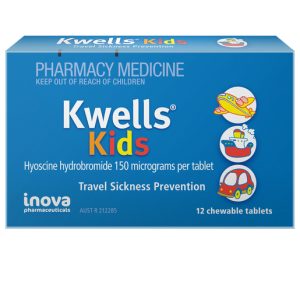
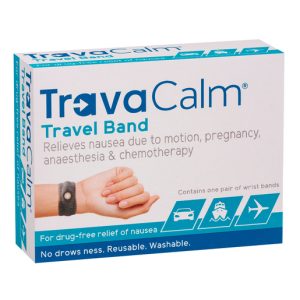
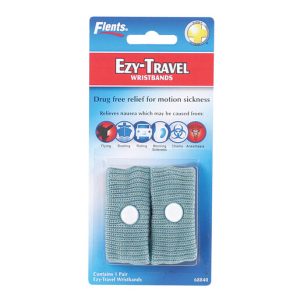
Sit where motion is least (the front seat of a car, over the wing on a plane, the middle of a boat), look at the horizon and avoid reading. Some motion sickness medicines cause drowsiness or aren’t suitable for children or certain conditions, so ask our pharmacists which suits you.
In higher-risk destinations, be careful with tap water, ice and uncooked food. If diarrhoea strikes, the priority is fluids and oral rehydration. Seek medical help for blood in the stool, high fever, or symptoms that last more than a couple of days.
On long flights, move around, stretch your calves and stay hydrated. Graduated compression socks may help some travellers. Ask your doctor if you have a higher risk of blood clots.
Please note: This article is general information only. It may not be accurate, complete or up to date for your situation, and it is not a substitute for professional medical advice. Always read the label and follow the directions for use. Speak with your pharmacist, doctor or other health professional before starting a new medicine or supplement, especially if you are pregnant, breastfeeding, managing a health condition or taking other medicines. If symptoms persist, see your doctor. Product suggestions are examples from our range, not personalised recommendations.
Shop the article
In-stock examples from our range. Always read the label and follow the directions for use.
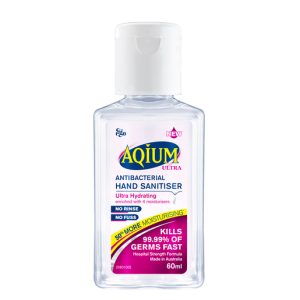
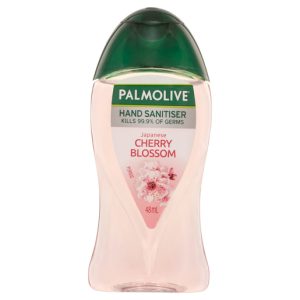
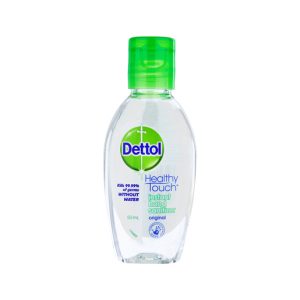
Ego Aqium Antibacterial Hand Sanitiser Ultra…
Original price was: $4.99.$2.95Current price is: $2.95.
Keep reading