SPF50+, broad spectrum, water resistant, 7 teaspoons and a 2-hour reapply: a plain-English sunscreen guide for Australian summer, including what the 2025 SPF testing news means for you.
SPF50+, broad spectrum, water resistant, 7 teaspoons and a 2-hour reapply: a plain-English sunscreen guide for Australian summer, including what the 2025 SPF testing news means for you.
Australia has some of the highest skin cancer rates in the world, and Perth summers regularly bring extreme UV. Sunscreen is only one part of sun protection, but it is the part most of us get wrong: we choose a good bottle and then use a third of what we need.
In June 2025, consumer group CHOICE tested 20 sunscreens and reported that 16 did not meet the SPF on their labels. One product was later recalled and the TGA began a broader review of sunscreens and testing laboratories. It understandably shook confidence.
The practical takeaway: no sunscreen works if it is under-applied, so generous application and reapplication matter more than any single number. Choose a product you like enough to use every day, check the TGA website for any recall notices, and layer sunscreen with clothing, a hat, shade and sunglasses.
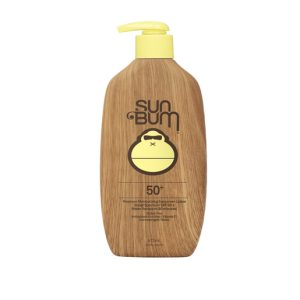
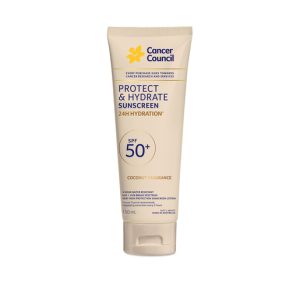
Most people apply only a quarter to half of the amount used in SPF testing. For an adult, aim for roughly:
That is about 7 teaspoons for full-body coverage. Apply 20 minutes before going outside and don’t forget ears, the back of the neck, the tops of feet and your part line.
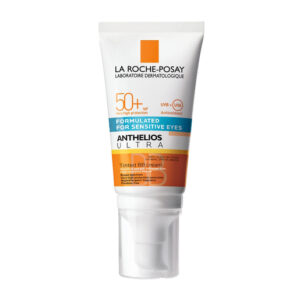
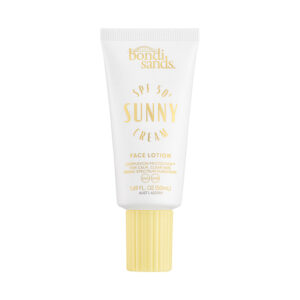
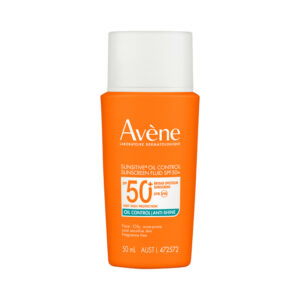
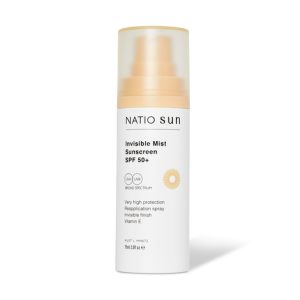
Face formulas tend to be lighter, less greasy and less likely to sting eyes, which makes daily use easier. Tinted or “invisible” fluids can replace a primer under make-up. If you have sensitive, acne-prone or rosacea-prone skin, look for fragrance-free formulas and ask our pharmacists for a recommendation.
Keep babies under 12 months out of direct sun as much as possible, using shade and protective clothing. For older children, choose a sensitive or kids formula and get them into the habit of a “slop” before every outdoor play.
Sunscreen works best as part of the five-step routine: slip on clothing, slop on SPF30+ sunscreen, slap on a broad-brimmed hat, seek shade and slide on sunglasses. Check the free SunSmart app for the daily UV forecast in your suburb.
Please note: This article is general information only. It may not be accurate, complete or up to date for your situation, and it is not a substitute for professional medical advice. Always read the label and follow the directions for use. Speak with your pharmacist, doctor or other health professional before starting a new medicine or supplement, especially if you are pregnant, breastfeeding, managing a health condition or taking other medicines. If symptoms persist, see your doctor. Product suggestions are examples from our range, not personalised recommendations.
Shop the article
In-stock examples from our range. Always read the label and follow the directions for use.