Spring and early summer pollen can make life miserable. Here is how to reduce exposure, which over-the-counter options exist, and when to talk to a pharmacist or GP.
Spring and early summer pollen can make life miserable. Here is how to reduce exposure, which over-the-counter options exist, and when to talk to a pharmacist or GP.
Grass and tree pollens peak in WA from late winter through spring and into early summer. If your eyes itch, your nose runs like a tap and you sneeze in clusters every morning, you are not alone. Allergic rhinitis is one of the most common chronic conditions in Australia.
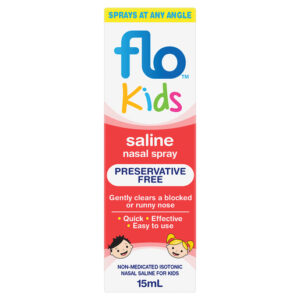
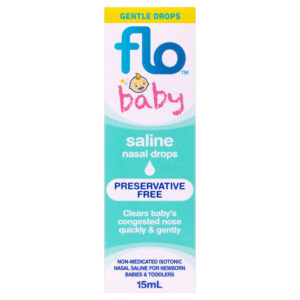
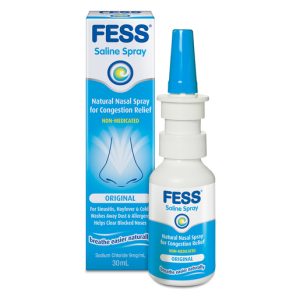
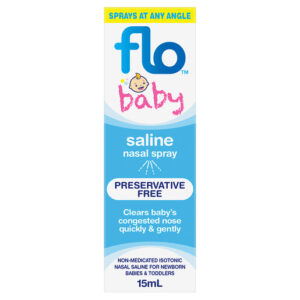
Saline sprays and rinses physically wash pollen and mucus from the nose. They are drug-free and suit most people, including during pregnancy.
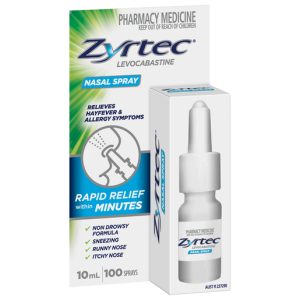
Non-drowsy antihistamines help with sneezing, itching and runny nose, and are taken as needed or daily during the season.
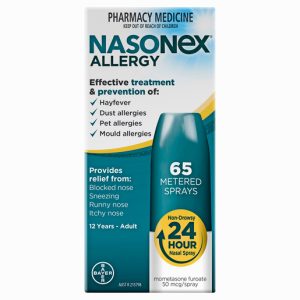
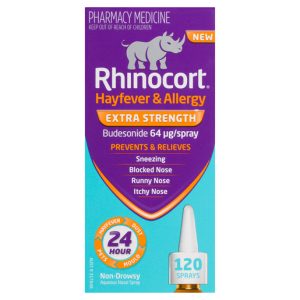
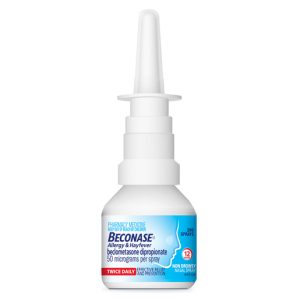
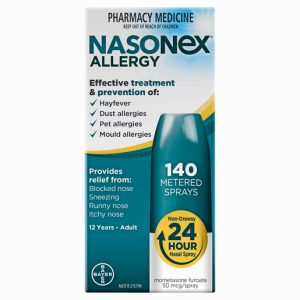
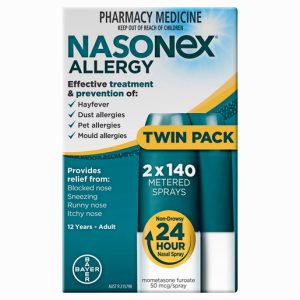
Medicated nasal sprays (such as intranasal corticosteroids) are among the most effective options for a blocked nose but work best when used every day for several days. Decongestant sprays should only be used for a few days at a time, because longer use can cause rebound congestion.
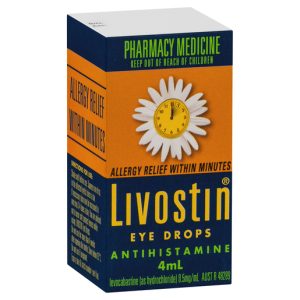
Eye drops designed for allergies can soothe itchy, watery eyes.
Some of these medicines are only available after a conversation with a pharmacist, so drop into any of our stores or call us and we can help you choose.
Poorly controlled hay fever can make asthma harder to control. If you have asthma, keep your action plan up to date and carry your reliever. In parts of Australia, thunderstorms in pollen season can trigger sudden asthma attacks, even in people who only have hay fever.
Book in with your GP if symptoms disrupt sleep or work despite treatment, if you have wheeze or chest tightness, or if you would like to discuss allergy testing or immunotherapy.
Please note: This article is general information only. It may not be accurate, complete or up to date for your situation, and it is not a substitute for professional medical advice. Always read the label and follow the directions for use. Speak with your pharmacist, doctor or other health professional before starting a new medicine or supplement, especially if you are pregnant, breastfeeding, managing a health condition or taking other medicines. If symptoms persist, see your doctor. Product suggestions are examples from our range, not personalised recommendations.
Shop the article
In-stock examples from our range. Always read the label and follow the directions for use.