Around 4 in 10 Australian adults report inadequate sleep. Practical, evidence-based habits to sleep better, plus what sleep aids can and can’t do.
Around 4 in 10 Australian adults report inadequate sleep. Practical, evidence-based habits to sleep better, plus what sleep aids can and can’t do.
The Sleep Health Foundation estimates that around four in ten Australian adults don’t get enough good-quality sleep. Long work hours, late-night screens and hot summer nights don’t help.
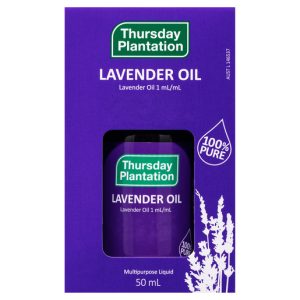
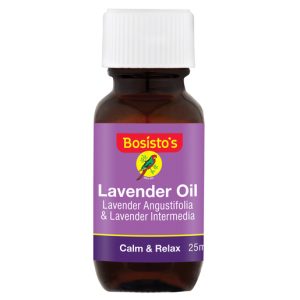
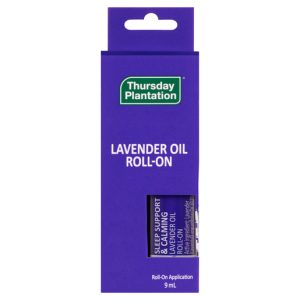
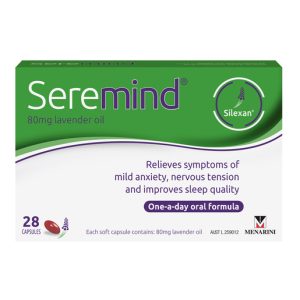
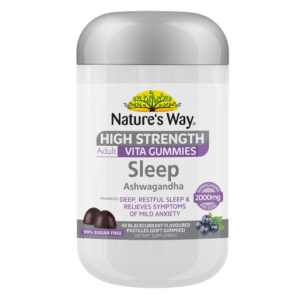
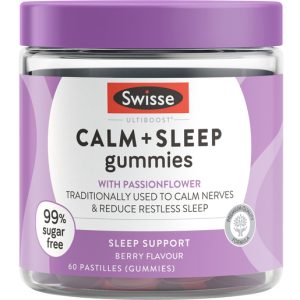
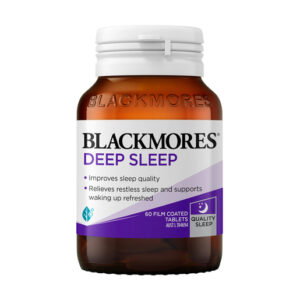
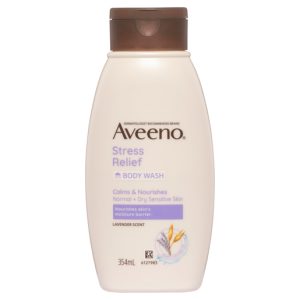
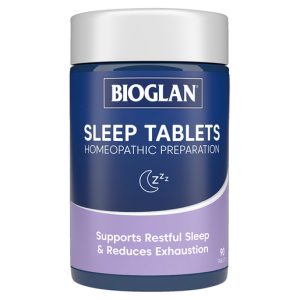
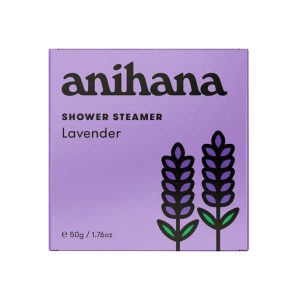
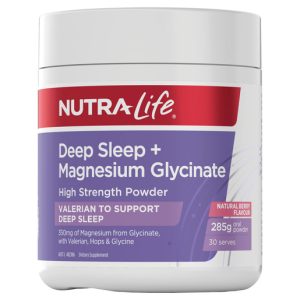
Products containing magnesium, herbal ingredients such as valerian, passionflower or chamomile, and calming aromatherapy are popular. Evidence is mixed and effects tend to be modest. They work best alongside good habits. Some sleep medicines, including melatonin for many adults, require a pharmacist consultation or prescription, and some herbal products interact with other medicines, so check with a pharmacist first.
Cognitive behavioural therapy for insomnia (CBT-i) is a highly effective, drug-free treatment, and your GP can point you to it.
Please note: This article is general information only. It may not be accurate, complete or up to date for your situation, and it is not a substitute for professional medical advice. Always read the label and follow the directions for use. Speak with your pharmacist, doctor or other health professional before starting a new medicine or supplement, especially if you are pregnant, breastfeeding, managing a health condition or taking other medicines. If symptoms persist, see your doctor. Product suggestions are examples from our range, not personalised recommendations.
Shop the article
In-stock examples from our range. Always read the label and follow the directions for use.