The basics most of us skip, electric vs manual toothbrushes, what really causes bad breath, and how to whiten safely at home.
The basics most of us skip, electric vs manual toothbrushes, what really causes bad breath, and how to whiten safely at home.
Tooth decay is one of the most common health problems in Australia, and most of it is preventable. A few small changes to your routine make a big difference.
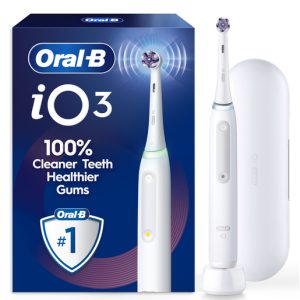
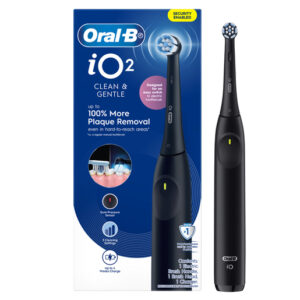
Both can work well with good technique. Many people find electric toothbrushes, especially oscillating-rotating ones, make it easier to remove plaque, and built-in timers help you reach the full 2 minutes. They’re also helpful for people with braces or limited hand movement.
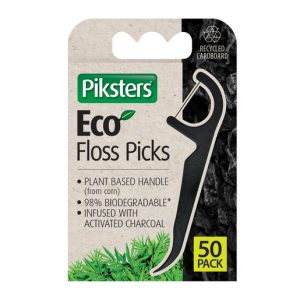
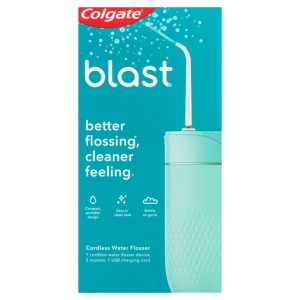
Floss, interdental brushes or a water flosser reach where a toothbrush can’t. Once a day is enough.
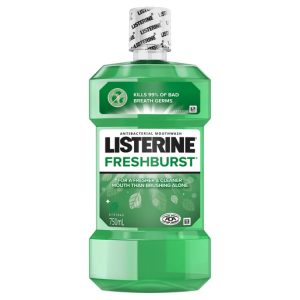
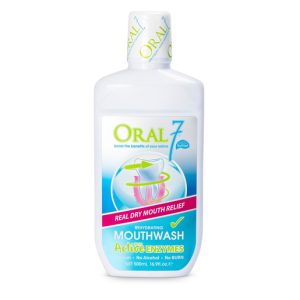
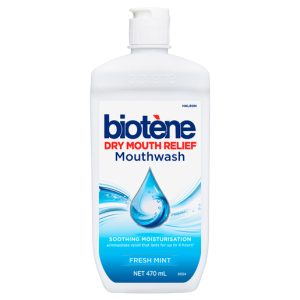
Most bad breath comes from bacteria on the back of the tongue and between teeth. Try:
Persistent bad breath can signal gum disease or another condition, so see your dentist.
See a dentist regularly, as often as they recommend. Eligible children may be able to access dental care through the Child Dental Benefits Schedule.
Please note: This article is general information only. It may not be accurate, complete or up to date for your situation, and it is not a substitute for professional medical advice. Always read the label and follow the directions for use. Speak with your pharmacist, doctor or other health professional before starting a new medicine or supplement, especially if you are pregnant, breastfeeding, managing a health condition or taking other medicines. If symptoms persist, see your doctor. Product suggestions are examples from our range, not personalised recommendations.
Shop the article
In-stock examples from our range. Always read the label and follow the directions for use.
Keep reading