Hot flushes, poor sleep, brain fog and mood changes are common and treatable. A clear guide to the stages, self-care and treatment conversations to have with your GP.

Hot flushes, poor sleep, brain fog and mood changes are common and treatable. A clear guide to the stages, self-care and treatment conversations to have with your GP.
Menopause has moved out of the shadows in Australia, with a 2024 Senate inquiry and many more open conversations. That’s good news, because many women put up with symptoms that can be managed.
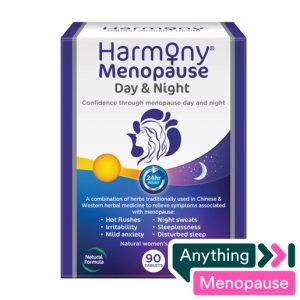
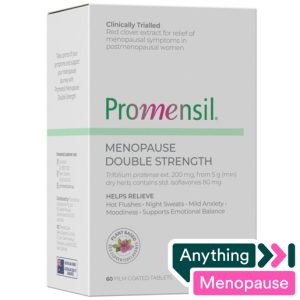
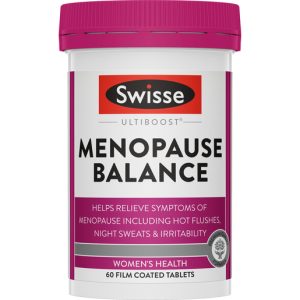
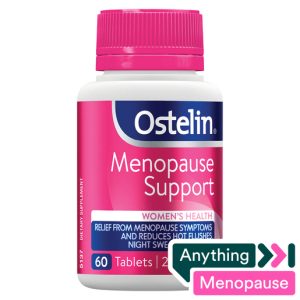
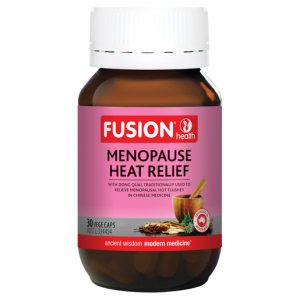
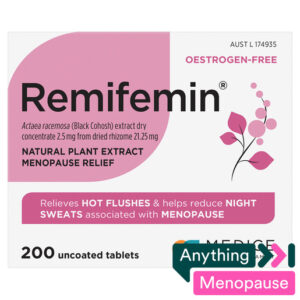
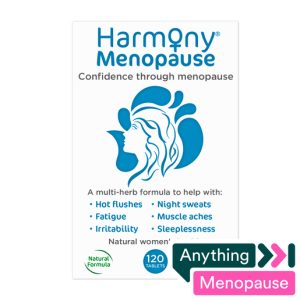
Many herbal products are marketed for menopause. Evidence is mixed, and some interact with other medicines or aren’t suitable for people with certain cancers. Talk with a pharmacist before starting.
Menopausal hormone therapy (MHT) is the most effective treatment for hot flushes and night sweats for many women, and there are also effective non-hormonal medicines. Your GP can talk through the benefits and risks for you. Keeping a two-week symptom diary before your appointment helps.
Please note: This article is general information only. It may not be accurate, complete or up to date for your situation, and it is not a substitute for professional medical advice. Always read the label and follow the directions for use. Speak with your pharmacist, doctor or other health professional before starting a new medicine or supplement, especially if you are pregnant, breastfeeding, managing a health condition or taking other medicines. If symptoms persist, see your doctor. Product suggestions are examples from our range, not personalised recommendations.
Shop the article
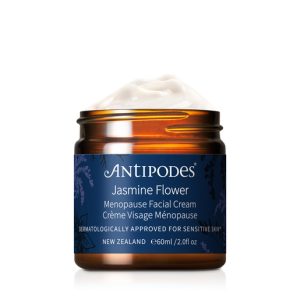
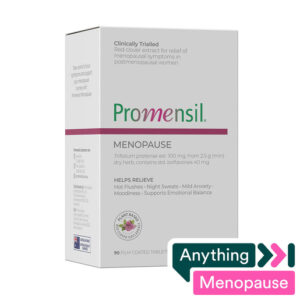
In-stock examples from our range. Always read the label and follow the directions for use.