Hair thinning and shedding: common causes and what actually helps

Skin & Beauty6 min readReviewed for Australia

Shedding after stress, pattern thinning, low iron or a thyroid issue? How to tell the difference, plus options from gentle care to treatments with evidence.

Hair thinning and shedding: common causes and what actually helps

Seeing more hair in the shower drain is unsettling. The good news is that many causes are temporary or treatable, especially when addressed early.

Common causes

  • Telogen effluvium: a sudden increase in shedding 2 to 3 months after a trigger such as illness, fever, surgery, childbirth, major stress or crash dieting. Usually recovers within 6 to 12 months.
  • Pattern hair loss: gradual thinning at the temples and crown in men, or widening of the part in women. It’s common and often runs in families.
  • Nutritional factors: low iron stores, low protein intake and some other deficiencies.
  • Medical causes: thyroid conditions, hormonal changes (including menopause and PCOS) and certain medicines.
  • Styling damage: tight hairstyles, heat and chemical processing.

What helps

  • Get checked. Your GP can arrange blood tests for iron, thyroid and other causes.
  • Minoxidil: a topical treatment available from pharmacies, with the most evidence for pattern hair loss in both men and women. It needs 4 to 6 months of consistent use, and some temporary shedding is normal at the start. Ask a pharmacist about the right strength and how to use it.
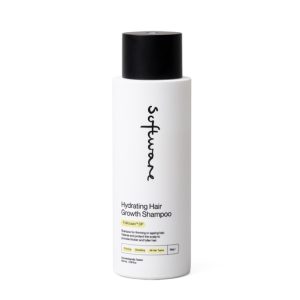
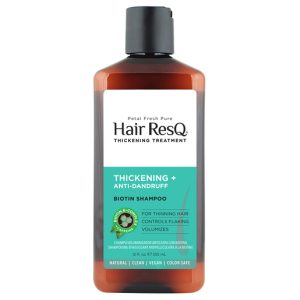
  • Gentle hair care: volumising shampoos, lightweight conditioners and less heat styling make hair look fuller and reduce breakage.
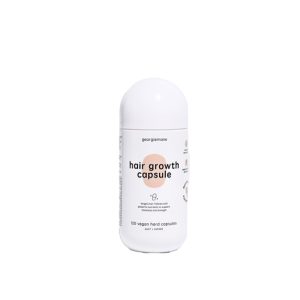
  • Diet: enough protein, iron and overall energy. Biotin supplements rarely help unless you are deficient, and can interfere with some blood tests.

When to see a doctor promptly

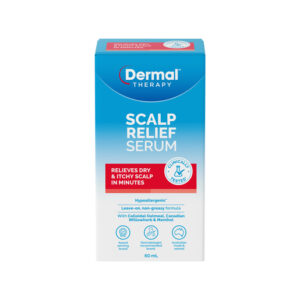
Patchy bald spots, a scaly, itchy or painful scalp, hair loss with other symptoms such as fatigue or weight change, or very rapid loss should be checked by a GP. They may refer you to a dermatologist.

Please note: This article is general information only. It may not be accurate, complete or up to date for your situation, and it is not a substitute for professional medical advice. Always read the label and follow the directions for use. Speak with your pharmacist, doctor or other health professional before starting a new medicine or supplement, especially if you are pregnant, breastfeeding, managing a health condition or taking other medicines. If symptoms persist, see your doctor. Product suggestions are examples from our range, not personalised recommendations.
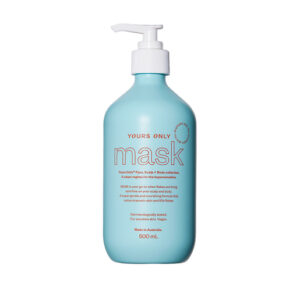
Shop the article

Hair care and scalp support

In-stock examples from our range. Always read the label and follow the directions for use.