Stinging, tightness and sudden sensitivity can mean your skin barrier needs a break. Here is how to recognise it and calm things down with a minimalist routine.
Stinging, tightness and sudden sensitivity can mean your skin barrier needs a break. Here is how to recognise it and calm things down with a minimalist routine.
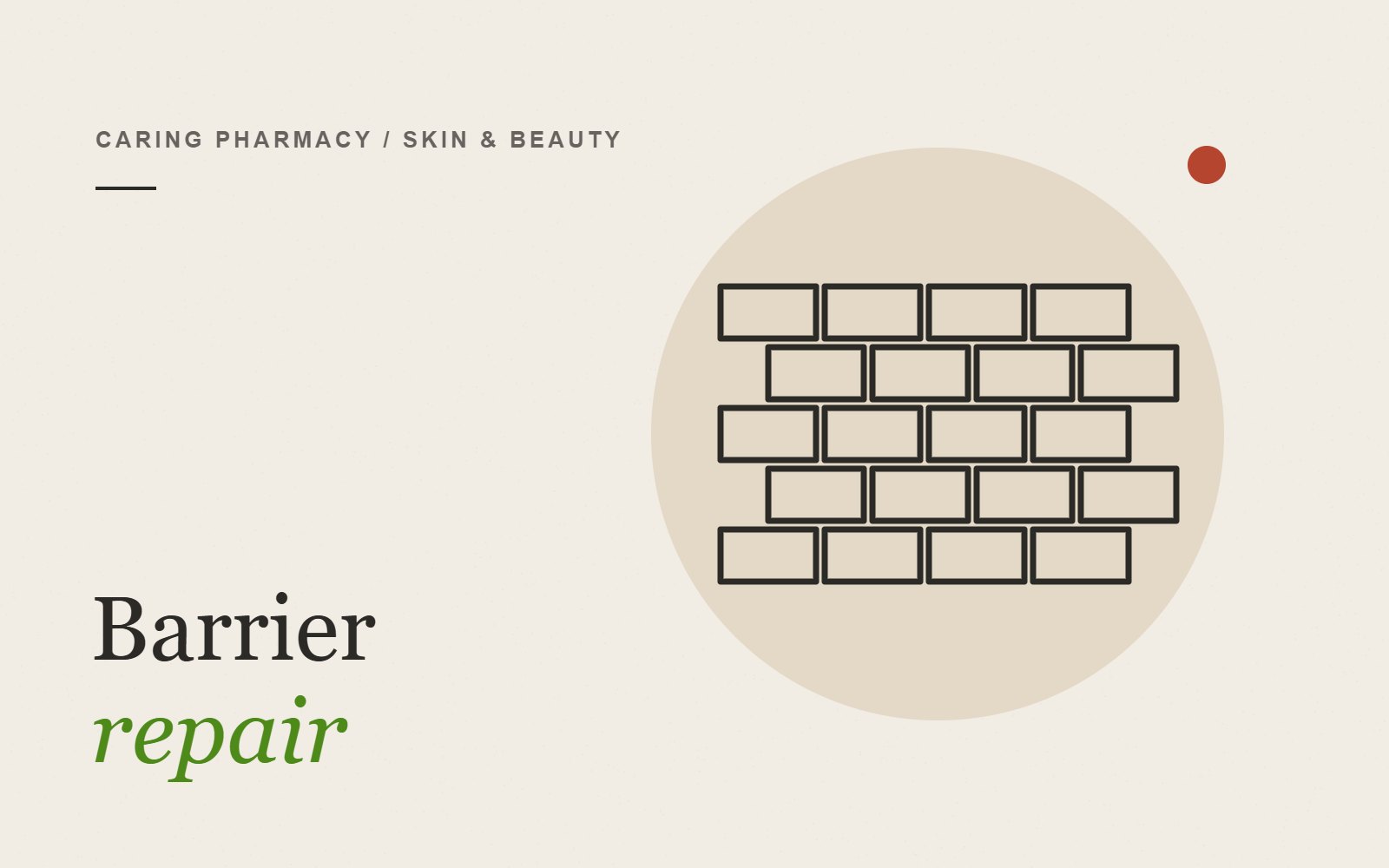
The outer layer of your skin, the stratum corneum, works like a brick wall: skin cells are the bricks and lipids such as ceramides, cholesterol and fatty acids are the mortar. When that wall is disrupted, water escapes and irritants get in.
Once your skin feels comfortable for two weeks, reintroduce one active at a time, two or three nights a week, and build slowly.
If redness, itching or scaling doesn’t settle, spreads, or keeps coming back, see your GP. Conditions such as eczema, dermatitis, rosacea and psoriasis can look like a “damaged barrier” and may need different treatment.
Please note: This article is general information only. It may not be accurate, complete or up to date for your situation, and it is not a substitute for professional medical advice. Always read the label and follow the directions for use. Speak with your pharmacist, doctor or other health professional before starting a new medicine or supplement, especially if you are pregnant, breastfeeding, managing a health condition or taking other medicines. If symptoms persist, see your doctor. Product suggestions are examples from our range, not personalised recommendations.
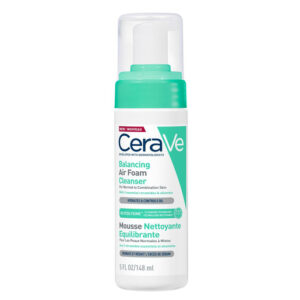
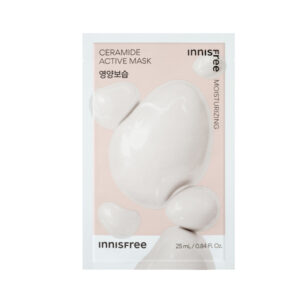
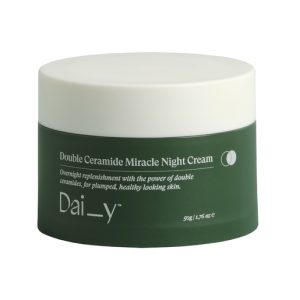
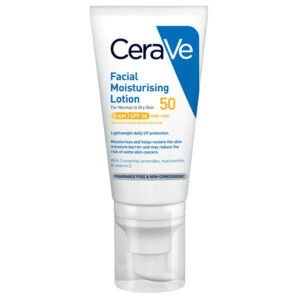
Shop the article
In-stock examples from our range. Always read the label and follow the directions for use.